Florence, one of the most beautiful cities in the world, the epitome of elegance and charm. The city draws visitors from far and wide to appreciate Italian renaissance including stunning architecture, artistic masterpieces and culture.
Florence is entitled to more than one visit!
We had been to Florence before and were drawn back for a longer and closer look into the hidden nooks and crannies of this enchanting city.
Of course, we revisited old haunts, ambled across Ponte Vecchio, admired the Duomo, strolled around the Piazza della Signoria to admire the replica of Michelangelo’s statue of David and walked up to Piazzale Michelangelo to another replica of David cast in bronze overlooking the city. We savoured the amazing view and lost ourselves in the Botanical Garden and the streets winding our way back to the city.
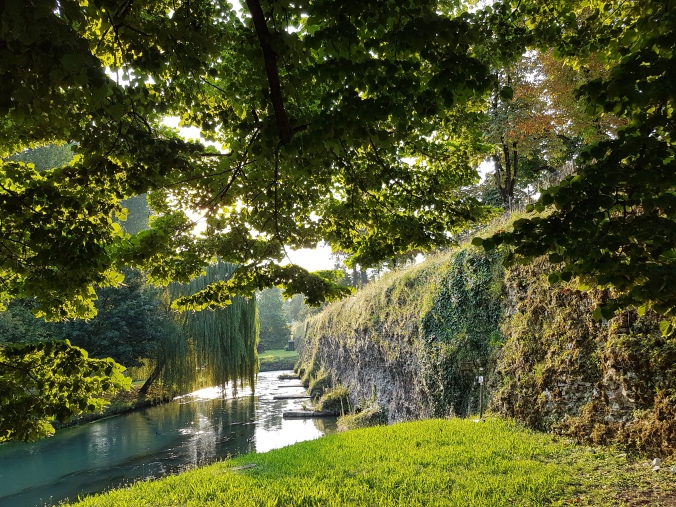
View from winding paths of the Botanical Gardens in Florence
The bronze cast of Michelangelo’s masterpiece, Statue of David in Piazzale Michelangelo
Included on our list for this visit was a place where fewer tourists visit.
Being a pharmacist in His past life, we often step inside pharmacies on our travels out of curiosity.
In Florence, He was particularly keen to visit a pharmacy we had read about, the Santa Maria Novella Pharmacy.
Possibly one of the oldest pharmacies in the world, we felt we were stepping back in time and experiencing a taste of a modern day perfumery in one. It’s easy to miss the entrance to the pharmacy which is a relatively inconspicuous doorway adjacent to the Basilica Santa Maria Novella.
The pharmacy has a long history explained at intervals through the building. The pharmacy dates back to 1221 after the Dominican monks from the Basilica gained a reputation for the medicines and balms they made from the herbs they grew onsite and used in their hospital.
Today, it is described as more of a museum than a pharmacy. Visitors like us wander in to admire the beautifully restored frescoes which adorn the walls and ceilings as much as the old jars and containers that line the walls and purchase the unique elixirs, perfumes and soaps which are now made in a much larger facility off-site.
Some of the beautiful rooms inside the pharmacy and perfumery
Whether you intend to purchase or not, it is worth a detour to smell the aromas and perfumes and enjoy the sculptures, paintings and frescoes inside this unique piece of living history before
If you enjoyed this post and found it informative, you may also enjoy:
We have a spare day in Dubrovnik. We could take a ferry ride to visit the charming islands off the coast. Alternatively, we could spend the day exploring Montenegro’s natural beauty away from the summer crowd. Kotor is less than 100 km away! We decided to take what turned out to be an exhilarating day trip to Kotor in Montenegro!
Still relatively untouched by mass tourism, this little country has a lot to offer. It is the ideal place to experience a mix of history and natural beauty.
Kotor port and marina
Rather than rushing from one town to another, we idle away a few hours in Kotor. We walk along the city walls and then through the labyrinth of streets. We wander in and out of squares admiring the baroque churches and locals.
Our Dubrovnik host suggested leaving early. Doing so avoids long queues at the Croatian border when Montenegrins and Croatians travel. At times the wait can be two hours or more. The evening wait time can sometimes be longer!
We stop for lunch at a small cafe in a quiet square in the Kotor’s Old City and were lucky to chance upon an informative cafe owner. While discussing our apprehension, he suggests we make our return trip through Bosnia and Herzegovina. He often takes this route. He reassures us the journey is scenic. The travel time will be the same so we jump at the opportunity to have a taste of driving through the countryside. Of course, the idea of avoiding languishing in a long queue also helps us make the decision.
With instructions on where to turn off the main road, we set both GPS devices with the details (our lease car’s GPS is more than adequate, however, we also take our trusty TomTom GPS unit with us too when we travel – just in case!).
Both GPS devices instruct us to turn off the road just out of Kotor onto a quiet little backroad which soon turns into a country lane and then into a goat track. We wave down a decrepit ute driving past us in the opposite direction to make sure we were on the right path. He can’t speak English but he waves us on indicating we are going the right way.
We drive on expecting the road to improve and join a major arterial road. To our horror, the road narrows further as climb uphill on this vertiginous track with nowhere to safely turn back. There is no option but to crawl forward at times reaching 20km/hour. Not to mention the 30 or so hairpin bends we encounter over this hair-raising drive with sheer mountain drops (and stunning views). However, we are intent on staying on the track and don’t dare take our eyes off the road until we reach the top where we came across two hikers taking a relaxed hike along the road. These are the only humans we have seen since the man in the ute. A little further on, join the road we are actually supposed to have been travelling on.
The bypass is so new that it didn’t feature on either GPS units.
We are fortunate. He is an accomplished driver and contains his racing driver spirit until we arrive on the highway to continue a most enjoyable time through the Bosnia and Herzegovinian countryside surrounded by rolling hills, through green valleys alongside gently flowing streams and creeks and quaint towns arriving back in Dubrovnik without incident.
Fantastic views of the bay and Adriatic Coast at the Bosnia and Herzegovina border
Visiting Dubrovnik and have a day to spare? Do yourself a favour and visit Kotor. Read about how to spend a day in Kotor, Montenegro on a day trip from Dubrovnik. Or even better, stay for a day or two to savour its unspoilt beauty and explore further afield.
Nestled between the mountains and the Adriatic Sea, UNESCO World Heritage-listed Kotor is picturesque and historic and an easy day trip from Dubrovnik. It’s a great way to escape the crowded Dubrovnik Old Town when cruise ships are in port.
Travelling between Croatia and Montenegro
We travelled by car between the two countries. It’s a comfortable two-hour drive each way on the highway, and remember to travel with your passport.
Croatian border security is tight, with long queues in the summer months. We left early to avoid the long queues at border control. We were lucky; it took only an hour to pass through.
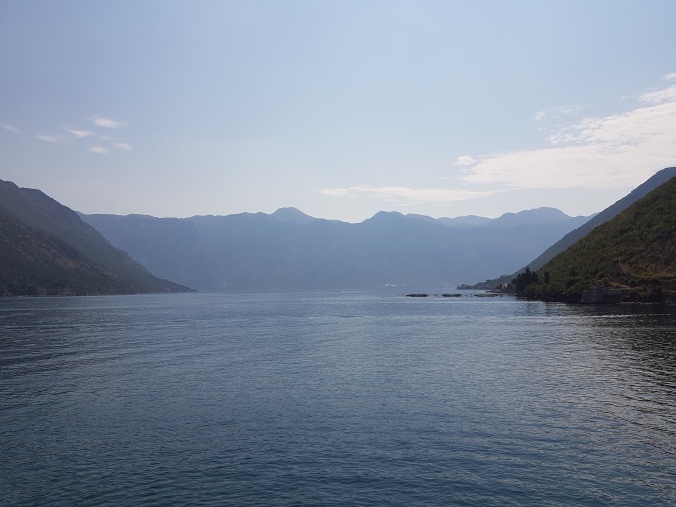
The stunning Bay of Kotor
We drove past busy seaside towns and tourist parks before the road tapered into the Bay of Kotor. What a sight to greet us!
The Bay of Kotor
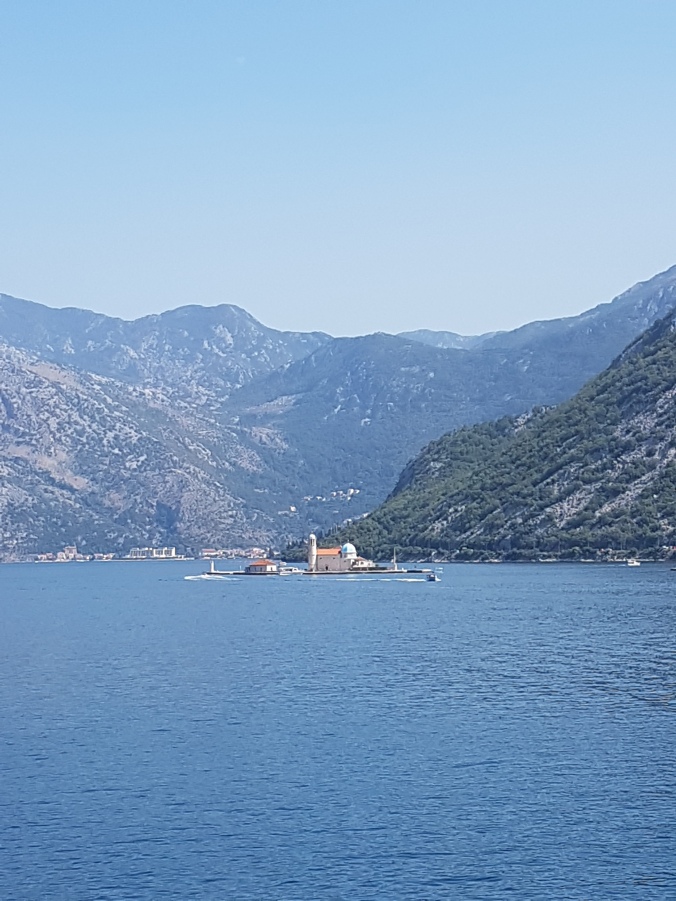
The mountain scenery toward Kotor took our breath away. We had to photograph the Church of Our Lady of the Rocks on a small islet in the bay. The camera came out.
There are numerous photo opportunities and viewpoints on the road hugging the coastline. Be prepared to take your time driving around the Bay!
Our Lady of the Rocks sitting in the Bay of Kotor
Kotor is becoming a major tourist attraction, and traffic can be heavy if you’re arriving by car. A parking area is conveniently located on the waterfront, just a short walk from the old city.
Things to do in Kotor
Kotor Fortress
Walk to the entrance gate and look for the 13th- and 14th-century Venetian Kampana Tower and Citadel that protected the city.
Walk along the Kotor City Walls
A walk along the walls of the fortified old town, Stari Grad, gives you orientation, views of the bay and the walls stretching up the mountainside above.
Meander Stari Grad’s streets, squares and alleyways
After walking the walls, venture into the maze of streets and alleyways. You’ll meander in and out of squares, and plenty of little stores and cafes will distract you along the way.
You’ll also see lots of signs of daily life, like laundry hanging over the streets.
Keep an eye out for some of the city’s landmarks too.
Kotor Clock Tower
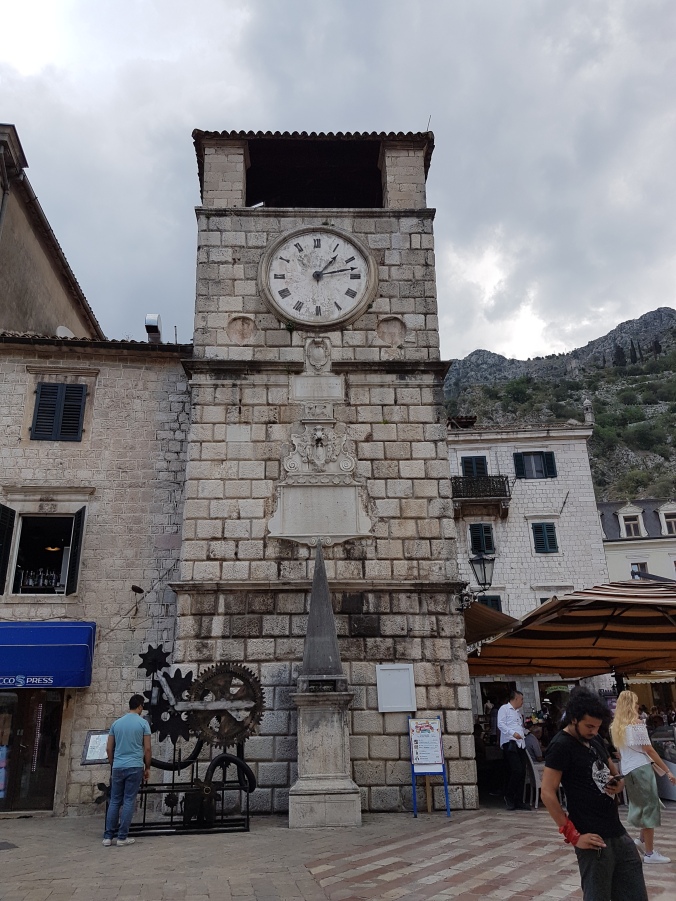
The Kotor Clock Tower is one of Stari Grad’s most notable landmarks. You’ll find it in the main square as you enter the West Gate. The original tower, built in 1602, survived the 1667 earthquake but was severely damaged in the 1979 earthquake. The reconstructed version is the one you’ll see today.
The historic Clock Tower in the main square, Kotor
Church of St Luke
Built in 1195, this small Serbian Orthodox Church gives visitors a real feel of the intimacy of Kotor’s Stari Grad.
The quaint Church of St Luke
St Nicholas’ Church
Built on the site of an abandoned Dominican Monastery in the early 20th century, the Church of St Nicholas is a Serbian Orthodox church and one of the city’s main churches.
The Cathedral of St Nicholas is one of the major churches in Kotor
Have some lunch and people-watch
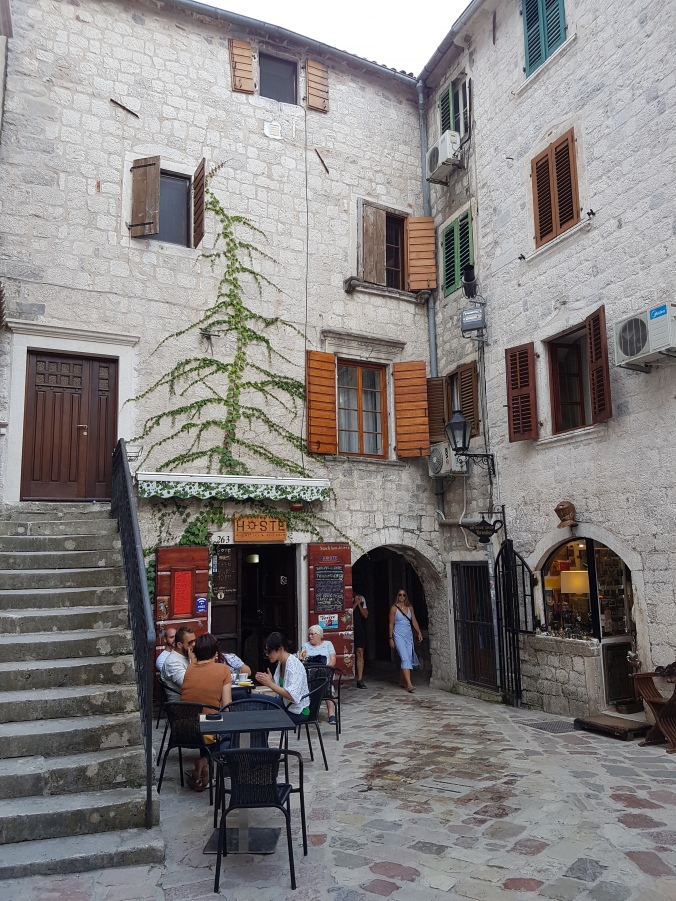
We picked a little cafe (Hoste Apertivo and Bokeria) tucked in a quiet corner of a small square for a light lunch before driving back to Dubrovnik. The cafe owner, well-versed in the queues at Croatian border controls, suggested we take the opportunity to enjoy a more pleasant drive through Bosnia and Herzegovina for our return journey, assuring us that the border crossing would be less busy. The travel time would be the same, and instead of waiting an hour or two at the Montenegro/Croatian border, we would have a chance to pass through another Balkan country and the beautiful countryside this part of the world has to offer.
This quiet little square was the perfect spot to enjoy lunch and people-watch.
Hike up to Kotor Fortress
Sitting high above Stari Grad is Kotor Fortress/San Giovanni Castle. For a fee, you can hike the official path to the Fortress, where you’ll be treated to expansive views over the Bay.
Our conclusion
We recommend a day visit to Kotor if you have a free day in Dubrovnik. For the best experience, check to ensure your visit doesn’t coincide with a cruise ship docking in Kotor’s port.
The landscape is ever-changing, from craggy mountain roads to idyllic country lanes alongside springs and rivers, and the views are striking, as are the breathtaking views of the Bay of Kotor and beyond.
On the return journey, we there was a small queue at the border; however, we had wonderful views to enjoy while we waited.
If you have time
Our Dubrovnik host also recommended visiting Budva, another medieval town on the Adriatic coast, if we had the time. We instead decided to spend an unhurried day in Kotor and its surroundings.
We’ve saved Budva and its Riviera for another visit to this stunning little country. We’ll also include a return visit to Kotor; there’s much more to see and do in this beautiful little city.
In case you’re interested
We took the driving route recommended by the proprietor of our lunch venue for our return journey to Dubrovnik, which we have had the pleasure of visiting twice. Read about our recommendations through the links below.
We wound our way to Milan in the dying weeks of our holiday. Do we visit Venice on our way? We had appreciated and enjoyed its uniqueness on a previous visit, even though it was crowded with tourists. It would be more fun to explore somewhere “off the beaten track”. We settled on Treviso, a great alternative to visiting busy Venice
We were to arrive from Pula in Croatia via Trieste. “Nothing to see there but the airport!” advised a kind-hearted colleague when He shared this plan. This immediately prompted a Google Search; a closer look at our trusty Lonely Planet and DK Eyewitness travel books. Everything looked okay, and we decided to take the risk.
The scenic drive to Treviso
From Trieste, our drive, avoiding toll roads, took us to Treviso on the quieter and more scenic route, the food bowl of northern Italy. We leisurely drove kilometre after kilometre along roads surrounded by vineyards and farmland, trying to distinguish what the crops were.
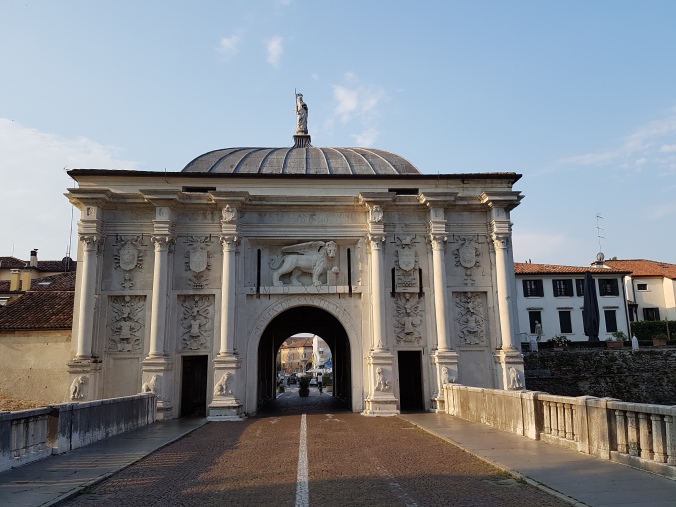
The ornate entrance to the walled Italian city of Treviso, also known as “Little Venice” because of its canals.
It was late afternoon when we entered the walled city of Treviso, completely unaware of what was in store for us!
Why you should visit Treviso
Treviso is not just another quaint Italian city. Treviso is:
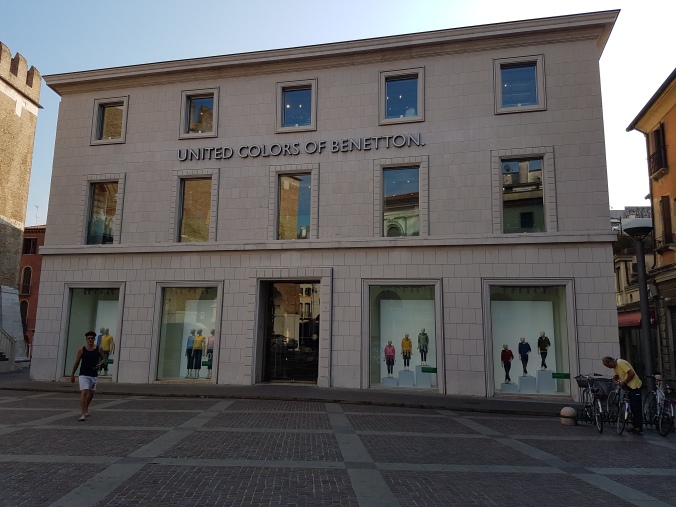
The home of Luciano Benetton, the founder of the fashion brand United Colors of Benetton – visit their flagship store in the central piazza (I have some Benetton items in my wardrobe).
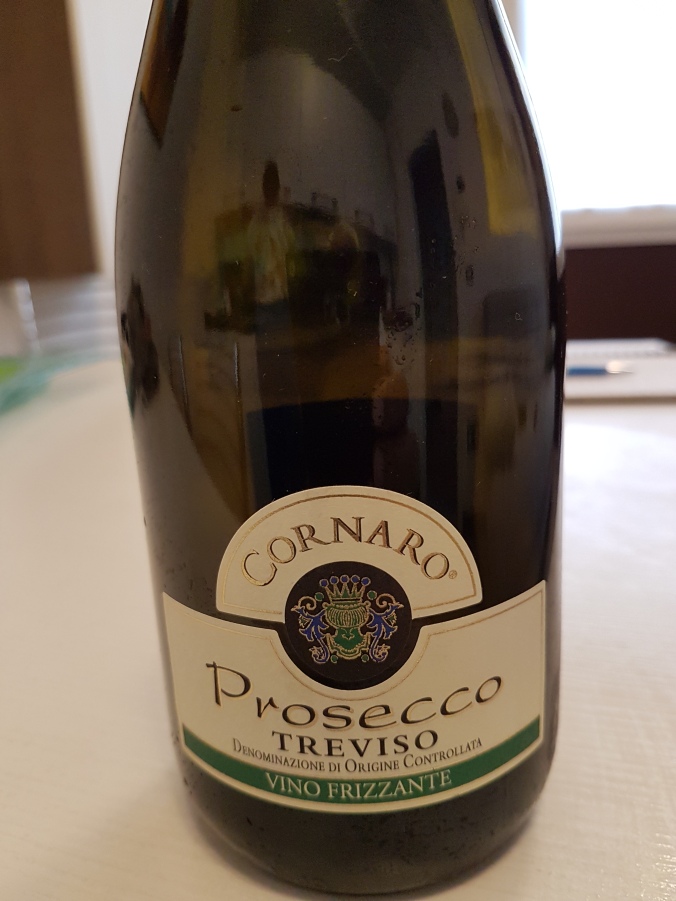
The home of the highest quality Prosecco wines. The region is renowned for the highest quality Prosecco wines, and only wines grown in the area can claim to be Prosecco (we love our Prosecco).
The home of the Pinarello bike (cycling enthusiasts will know what this means).
The birthplace of one of Italy’s most delectable desserts, Tiramisu.
The flagship store of United Colors of Benetton in Treviso’s Piazza Indipendenza
Treviso has more to offer! The city is a little hidden treasure that few tourists have discovered. Known as “Little Venice”, Treviso has none of the grandeur of Venice but is equally enticing for those looking for a more tourist-free experience.
Instead of over-priced coffee, the Veneto tourist traps and throngs of tourists queuing for photo opportunities, visitors can wander along Treviso’s more quaint canals, cobbled and narrow winding streets, drop into the churches and cathedrals, enjoy a coffee or pre-dinner aperitif in the central piazza and watch the locals living life! And, if you want a photo opportunity, stroll to Dantes Bridge.
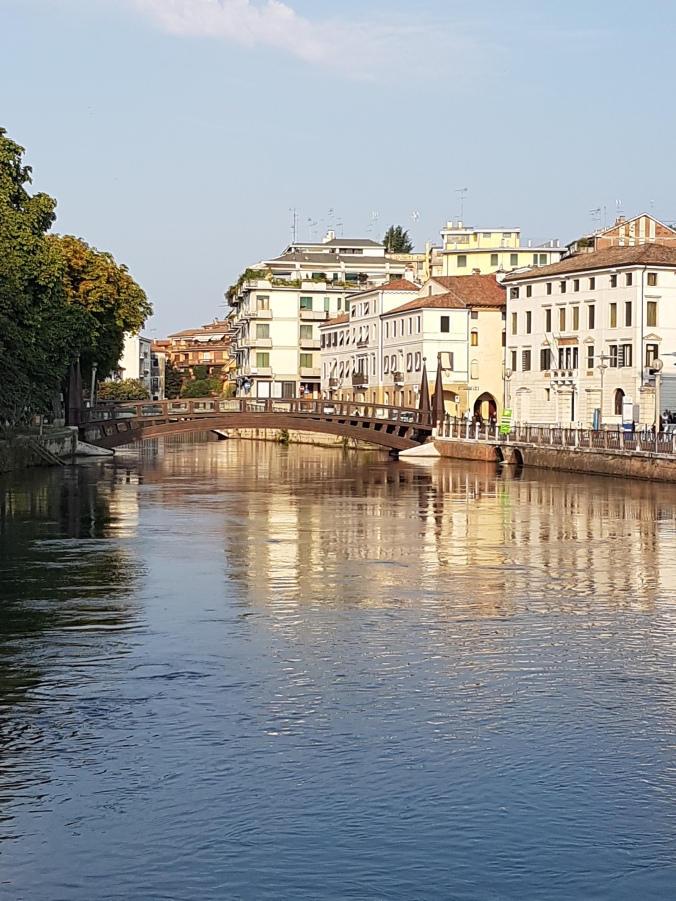
Dantes Bridge and the canals of Treviso
Entertainment in Treviso
If you’re after entertainment, you won’t be disappointed. We arrived during one of the highlights of Treviso’s summer, the “Suoni Di Marca” – 18 days of concerts, performances, markets, food and wine on the city walls, which are held every summer. Free outdoor concerts are common in cities and towns throughout Europe over the summer months.
Each evening after dinner, we joined the locals milling about on the ramparts until late evening, waiting for the concerts to start on the large stage set up on the corner tower. The Buena Vista Social Club had the crowd (including us) jiving to their catchy Cuban salsa music one evening.
Grup Compay Secundo (the Buena Vista Social Club) performing at Suoni di Marca in Treviso, 2018
For those of you who disembark at Treviso’s airport and rush straight to Venice, plan instead to stay a day or two in Treviso. Enjoy the charm of this under-rated city and the hospitality of its citizens. If you are arriving in Venice, then make time for a day trip before the secret is out. It’s a 40-minute drive or train ride from Venice.
Where we stayed
We stayed at Brick House. Inside the walls of the medieval city, our apartment was well-appointed, clean and spacious with generous amenities. Our host, Alberto, was very gracious and a mine of information. On our arrival, he sat down with us to consider our interests and share ideas on what we should see and do during our stay in Treviso, including providing options on local restaurants where we could appreciate local cuisine.
Where we dined
On our first evening, we enjoyed a delicious pizza and pasta meal at La Giaconda on Viale Frà Giocondo, in front of the city walls, close to the Brick House. Alissia was very helpful in translating the Italian menu for us and very accommodating to our dietary requirements.
On another evening, we enjoyed cocktails and a pasta dinner at a trattoria recommended by Alberto of the Brick House, Trattoria Hesperia. The trattoria is well-known for its simple but tasty traditional Apulian dishes, which are made with fresh local produce.
La Beccherie is the birthplace of the Italian dessert, Tiramisu. Unfortunately, it was closed for a much-deserved holiday break during our visit. However, we will be visiting Treviso again to make sure we taste the real thing. If you visit Treviso and try their tiramisu before we do, or have been there and tried it before, leave us a comment below and tell us what you think.
Our aim is to inspire. If you enjoyed this post, please feel free to share:
First stop is the city of Reims. The unofficial capital of the Champagne region in the northeast of France is the perfect place to base ourselves for a day or two to explore the region.
Reims is not only the centre of the Champagne. It is home to some architectural wonders, including the imposing Notre Dame Cathedral (where French kings came to be coronated), the beautiful City Hall, the Basilica St Remi and many admirable squares.
Reims Town Hall
The Basilica
Many of the regions Champagne houses including Taittinger and Mumm are headquartered in Reims and offer tastings at their cellar doors. Their houses are accessed through grand entrances and beautifully manicured gardens. An indication of the high esteem the French hold for champagne.
After admiring the city, we spend a couple of days exploring further afield.
Day 1 is a short 25km drive to Epernay, the home of the world’s highly acclaimed champagne houses.
On arrival, we find the streets deserted and not teeming with tourists as we had expected at the height of the European summer. It is lunchtime and everything apart from eating establishments are closed for lunch.
The Avenue de Champagne is undoubtedly one of the most beautiful streets we stroll along. Even more stunning when you have the street to yourself. We wander in and out of the grand champagne houses amidst beautiful grounds and gardens. These are the best champagne producers in the world!
The beautiful grounds of Moet and Chandon
We are disappointed at our first stop, the famous house of Moet and Chandon. The cellars are closed for refurbishment until after summer. We are directed a little further up the road to the House of Mercier. A partner of Moet and Chandon and owned by the LVMH group of companies, Mercier champagne is the most popular champagne in France. Eugene Mercier established his champagne house with the intention of making champagne readily available and affordable to all so that it was not only consumed for a special event but so it would become part of everyday occasions. The tour of the underground caves (18km long), on a laser-guided autonomous tram, provided an insight into champagne production, the different stages of the ageing process along with an added surprise – the remarkable basal reliefs that decorated the walls of the underground caves.
The ageing process – inside the caves
The huge champagne barrel which was carted through the streets of Paris to be displayed at the Paris Exhibition in 1889
Of course, the tour would not be complete with a tasting. We enjoyed tasting the “wine for the people” complete with a lesson on how to distinguish between the different varieties. Though not connoisseurs, and now having tasted both Moet and Mercier champagnes, we agreed, both were not dissimilar!
The day ended with a leisurely drive back to Reims through the vineyards around Verzenay.
Day 2 is a beautiful summer day to take a slow 30-minute drive along the backroads among grapevines and vineyards to Hautvillers, home of another vintage champagne, Dom Perignon. The roads are quiet and we wonder why we have the roads to ourselves, there is not another vehicle in sight. It appears that everyone else is in a hurry and prefers to take the motorway.
Dom Pérignon (1638–1715) was a monk and cellar master at the Benedictine abbey in Hautvillers, a quaint French village. His tomb is in the little Abbey and remains devoid of tourist traffic.
We wander through the village and along the narrow lanes to find picnic grounds at the top of the hill. The views over vineyards and down to the little village of Cumieres and the aqua waters of the River Marne are breathtaking. This is heaven.
Looking down the hill to Cumieres from Hautvillers
It is decided, we drive back to Reims via Cumieres on roads set amongst the vineyards and the gently sloping countryside through small champagne villages. The perfect end to a perfect day.
Our road trip had just started and we continued our journey through Burgundy, Provence, Bordeaux and the other wine producing regions of France. However, we will cherish our few days in Champagne.
If you are planning a visit to Paris and have a couple of spare days, take a short sojourn in the Champagne region, you will not regret it.
P.S. A short champagne lesson:
Brut – 40% pinot noir, 45% another white wine, 15% Chardonnay, contains 9% sugar. Brut is aged for 2 years and is then ready to drink. It should not be kept for more than 3 years.
Rose – has red wine added.
Demi-Sec is much sweeter with up to 40% more sugar. It is a dessert wine.
Brut Reserve has more reserve wine added and the taste can change from year to year depending on the reserve added.
No year on the bottle – no vintage!
Our aim is to inspire. If you enjoyed this post, please feel free to share: